From Idea to Product: Developing a Cork Solution
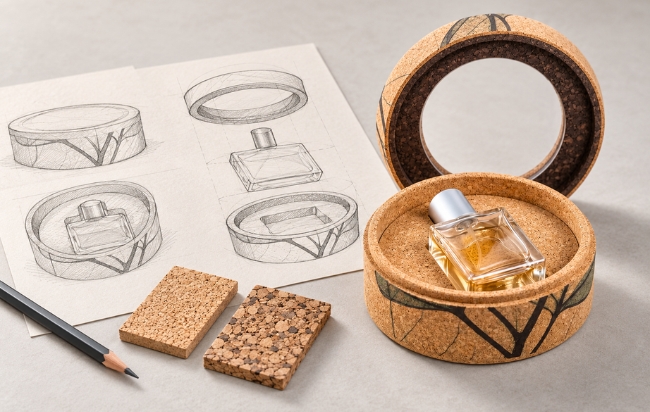
A shape, a function, a texture. A cork project can begin in many ways. Turning that idea into a product means connecting design with material selection and manufacturing. Have an idea to develop in cork? Share your intended application, dimensions and estimated quantities with us.
Packaging shaped around a bottle. A component integrated into equipment. An object that invites touch. Cork offers different possibilities, but every project has its own requirements.
At 3DCORK, development begins with understanding what the part needs to do — and how it will be manufactured, used and integrated into the final product.
Start with Function
Before choosing a density or defining a finish, it is essential to understand the application.
What load will the part need to support? Will it be exposed to moisture or heat? Does it need to cushion, protect, position or provide comfort? Will it be a standalone piece or part of an assembly?
These answers help guide decisions about materials, geometry and production.
Select the Formulation
Cork materials are available in different densities, granule sizes and compositions. These differences influence the texture, weight, flexibility and behaviour of the part.
A finer grain may suit a particular visual direction, while another formulation may be needed to meet mechanical requirements. Binders, pigments, coatings and combinations with other materials are also part of this decision.
Material selection should therefore consider the complete solution and its intended operating conditions.
Design for Manufacturing
Wall thicknesses, edges, fitting features and fixing points influence the feasibility of a part.
A design adjustment can simplify demoulding, improve assembly or reduce finishing operations. The manufacturing process — moulding, CNC machining, cutting or turning — should be selected according to the geometry, material and expected quantities.
Involving the manufacturing team early helps identify these considerations before investing in tooling and serial production.
Test Before Production
Prototypes allow dimensions, fit, handling, appearance and function to be assessed.
They also provide an opportunity to explore textures, colours and branding, and to check integration with other components. Validation criteria should reflect the intended use.
This stage helps turn a design intention into a specification that can be manufactured and inspected.
Consider What Happens After Use
Composition and assembly also influence the possibilities for material separation and recovery.
Considering these aspects during development supports more informed decisions. End-of-life guidance should relate to the solution actually manufactured and the treatment options available in its destination market.
Develop Through Collaboration
At 3DCORK, we work with brands, designers and technical teams from the first drawings through to industrial production.
A project can begin with a concept, a technical drawing, a sample or a functional challenge. Together, we assess the material possibilities and the path to manufacturing.
Have an idea to develop in cork? Share your intended application, dimensions and estimated quantities with us.
Summary
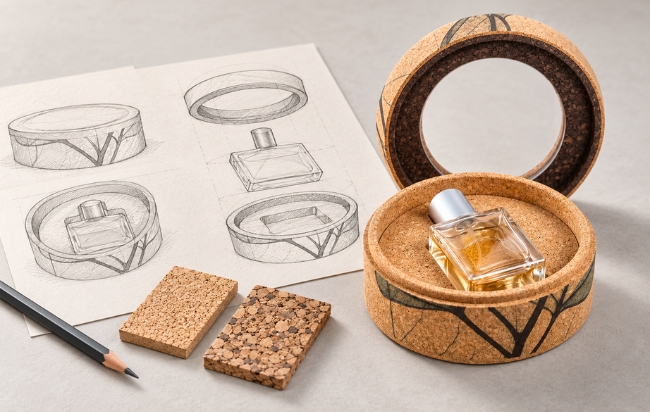 A shape, a function, a texture. A cork project can begin in many ways. Turning that idea into a product means connecting design with material selection and manufacturing. Have an idea to develop in cork? Share your intended application, dimensions and estimated quantities with us.